Author name: divya8273082912@gmail.com

Google Ad / PPC

Google Ads / PPC .

Google Ads & PPC: Turning Budget into Measurable Growth Introduction: Paying for Attention the Smart Way Organic reach takes time, but sometimes your business needs results now. That’s where Google Ads and PPC come in. Instead of waiting to be found, you place your business directly in front of people who are already searching for what you offer. What is Google Ads / PPC? PPC (Pay-Per-Click) is a model where you pay only when someone clicks on your ad. Google Ads is one of the most powerful platforms for PPC, allowing you to show ads on search results, websites, YouTube, and more. It’s not just about spending money—it’s about spending it wisely. Why PPC is Important for Businesses PPC gives you speed and control that organic marketing can’t always provide. It helps you: Reach the right audience instantly Control your budget and spending Track every click and conversion Test different strategies quickly It’s one of the fastest ways to generate leads and sales. How Google Ads Actually Works 1. Keyword Targeting You choose keywords your audience is searching for. When someone searches those terms, your ad can appear. 2. Ad Auction System Google doesn’t just show the highest bidder. It considers: Your bid amount Ad relevance Landing page experience This means better ads can win even with a lower budget. 3. Pay Only for Results You’re charged only when someone clicks your ad, making it a performance-based system. Types of Google Ads Campaigns Search Ads Text ads that appear on Google search results. Display Ads Visual ads shown on websites and apps. Video Ads Ads that appear on YouTube. Shopping Ads Product-based ads for eCommerce businesses. What Makes a PPC Campaign Successful Clear Targeting Focus on the right audience, not just more people. Strong Ad Copy Your message should be simple, clear, and action-driven. Optimized Landing Page Clicks are useless if your page doesn’t convert. Continuous Testing Test headlines, keywords, and strategies regularly. Common PPC Mistakes to Avoid Targeting very broad keywords Ignoring negative keywords Sending traffic to weak landing pages Not tracking conversions Stopping campaigns too early These can waste your budget without results. How PPC Supports Business Growth PPC is not just about traffic—it’s about results. It helps you: Generate leads quickly Increase brand visibility Test new offers or products Scale what’s already working Conclusion: Spend Smart, Grow Faster Google Ads and PPC are powerful when used with the right strategy. It’s not about how much you spend—it’s about how effectively you use it. With the right approach, PPC can turn clicks into customers and budget into real growth.

Website Development

Website Development .

Development Marketing: Where Product Meets Growth Introduction: Marketing That Starts Before Launch Most people think marketing begins after a product is ready. But real growth starts much earlier. Development marketing focuses on building, shaping, and promoting a product at the same time—so when it launches, it already has demand. What is Development Marketing? Development marketing is a strategy where marketing and product development work together from the beginning. Instead of creating a product first and promoting it later, both processes run side by side. It ensures that what you build is exactly what your audience needs. Why Development Marketing Matters Today Markets are competitive and fast-moving. If you wait until the end to market your product, you risk missing your audience. Development marketing helps you: Validate ideas early Build audience interest before launch Reduce the risk of failure Launch with momentum instead of silence How Development Marketing Works 1. Start with Audience Research Before building anything, understand your audience: What problems do they face? What solutions are they looking for? What content do they engage with? This shapes both your product and your messaging. 2. Build in Public Instead of hiding your process, share it: Behind-the-scenes updates Progress stories Early previews This creates curiosity and trust. 3. Create Content Along the Way Content should not wait until launch. You can create: Educational posts Problem-solving blogs Short videos explaining features This attracts your future users early. 4. Test and Improve Continuously Use feedback to refine your product and strategy: Early user feedback Beta testing Engagement metrics Development marketing is about learning and adapting. Key Benefits of Development Marketing Stronger Product-Market Fit You build what people actually want, not what you assume. Pre-Built Audience You already have interested users before launch. Faster Growth You don’t start from zero after launching. Common Mistakes to Avoid Waiting too long to start marketing Ignoring audience feedback Focusing only on features, not value Not creating content early These mistakes can slow down your growth. Development Marketing vs Traditional Marketing Traditional marketing promotes a finished product.Development marketing builds demand while the product is being created. This shift makes your launch stronger and more effective. Conclusion: Build and Grow Together Development marketing is not just a strategy—it’s a mindset. When you involve your audience early, create value consistently, and adapt based on feedback, you don’t just launch a product—you launch with confidence and momentum.

Social Media Marketing

Social Medial Marketing

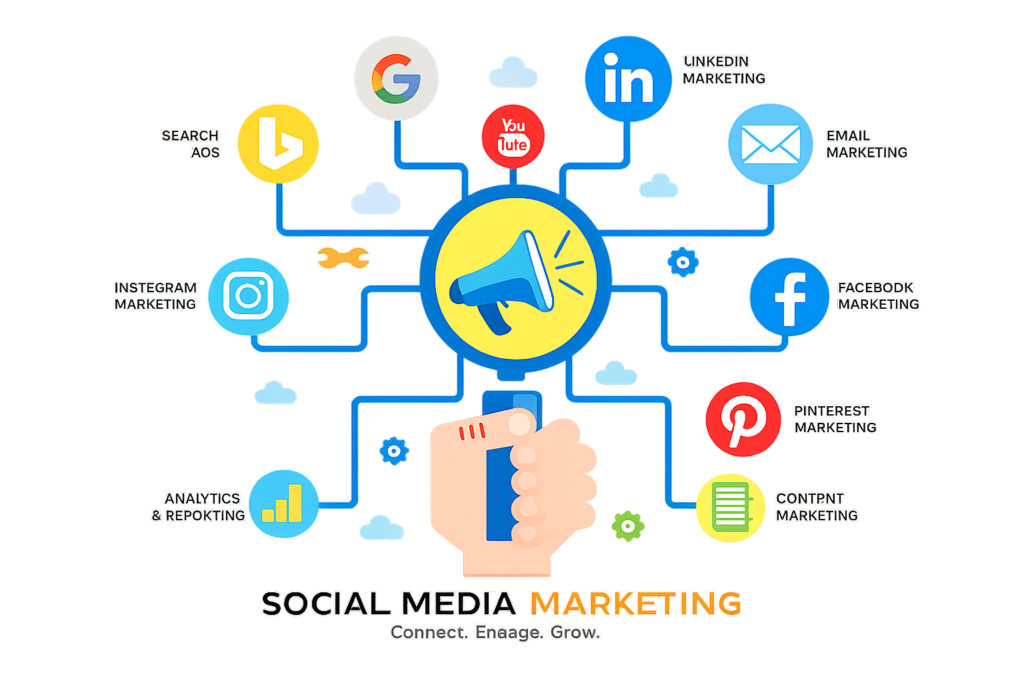
Social Media Marketing: Turning Scrolls into Real Connections . Introduction: It’s Not Just About Posting Anymore Social media is crowded. Every brand is posting, promoting, and trying to get attention. But attention alone doesn’t create impact. What matters is how you connect, communicate, and stay relevant in people’s daily scrolling habits. What is Social Media Marketing in Today’s Context Social media marketing is not just sharing posts—it’s about building a presence where your audience spends their time and engaging with them in a meaningful way. It’s less about broadcasting,and more about interacting. Why Social Media Marketing Still Works Even with increasing competition, social media remains powerful because: People spend hours daily on these platforms It allows direct communication with your audience Content spreads faster through sharing It helps humanize your brand When done right, it builds both visibility and trust. Choosing the Right Platform Matters Not every platform works for every business. Instagram → Visual content and brand building LinkedIn → Professional networking and B2B Facebook → Community building and ads YouTube → Long-form video content Focus where your audience is most active instead of trying to be everywhere. Content That Actually Works Posting random content won’t help. Your content should have a purpose. Effective content types: Educational (tips, guides) Entertaining (reels, trends) Informational (updates, insights) Relatable (memes, real-life situations) A mix of these keeps your audience engaged. Consistency Over Perfection You don’t need perfect designs or viral ideas every time. What matters more: Posting regularly Staying active Showing up consistently Simple content shared consistently performs better than perfect content posted rarely. Engagement is the Real Metric Likes are good, but engagement is better. Focus on: Comments Shares Saves Direct messages These show that people are actually interested, not just scrolling past. The Power of Authenticity People connect with real, not perfect. Instead of trying to look flawless: Show behind-the-scenes Share real experiences Be honest and transparent Authenticity builds stronger connections than polished content. Common Mistakes to Avoid Many brands struggle because they: Post without a strategy Focus only on selling Ignore comments and messages Copy trends without relevance Stop posting after low engagement Avoiding these can instantly improve results. How to Grow on Social Media Today Growth doesn’t happen randomly. It requires: Understanding your audience Creating value-driven content Engaging actively Adapting to trends wisely Analyzing what works Growth is a process, not luck. Conclusion: Build Relationships, Not Just Reach Social media marketing is no longer about how many people see you—it’s about how many people connect with you. When your audience feels heard, understood, and valued, they don’t just follow you—they trust you.

Lead Generation

Lead Generation: Turning Attention into Real Business Opportunities

Introduction: Why Attention Alone is Not Enough Getting people to notice your brand is just the first step. The real challenge is turning that attention into actual business opportunities. This is where lead generation plays a crucial role—it helps you capture interest and convert it into potential customers. What is Lead Generation in Simple Words Lead generation is the process of attracting people and collecting their information (like email or phone number) so you can connect with them and eventually convert them into customers. A “lead” is simply someone who has shown interest in what you offer. Why Lead Generation is Important Without leads, your business has no direction for growth. Lead generation helps you: Build a list of potential customers Increase chances of sales Target the right audience Create consistent business opportunities It turns random visitors into meaningful connections. Different Types of Leads 1. Cold Leads People who don’t know much about your brand yet. 2. Warm Leads They are aware of your business and have shown some interest. 3. Hot Leads Ready to take action and close to making a purchase decision. Understanding these types helps you communicate better. Popular Lead Generation Methods 1. Content Marketing Creating useful blogs, videos, or posts that attract people naturally. 2. Social Media Marketing Using platforms to engage users and guide them toward your offer. 3. Landing Pages Dedicated pages designed to collect user information through forms. 4. Email Marketing Building relationships and nurturing leads over time. 5. Paid Advertising Running targeted ads to reach potential customers quickly. What Makes People Share Their Information People don’t give their details without a reason. You need to offer value. Some effective ideas: Free eBooks or guides Discounts or offers Free trials or demos Useful resources The more valuable your offer, the better your results. The Role of Trust in Lead Generation Trust is the foundation of any successful lead generation strategy. You can build trust by: Sharing honest and helpful content Showing reviews or testimonials Maintaining transparency Delivering on promises If people trust you, they are more likely to connect with you. Lead Nurturing: Turning Leads into Customers Generating leads is only the beginning. You need to nurture them. This means: Following up regularly Sharing helpful information Solving their doubts Guiding them step by step Good nurturing increases conversion chances. Common Lead Generation Mistakes Avoid these common errors: Asking for too much information Not following up with leads Targeting the wrong audience Weak or unclear offers Ignoring user experience These mistakes can reduce your results significantly. How to Improve Your Lead Generation Strategy To get better results: Focus on your audience’s needs Test different strategies Keep your forms simple Use clear and strong call-to-actions Track and improve performance regularly Small improvements can bring big growth. Conclusion: Focus on Connection, Not Just Collection Lead generation is not just about collecting data—it’s about building relationships. When you understand your audience, provide value, and communicate consistently, lead generation becomes a natural and powerful growth tool.

Uncategorized

Content Marketing: Building Trust Before Selling

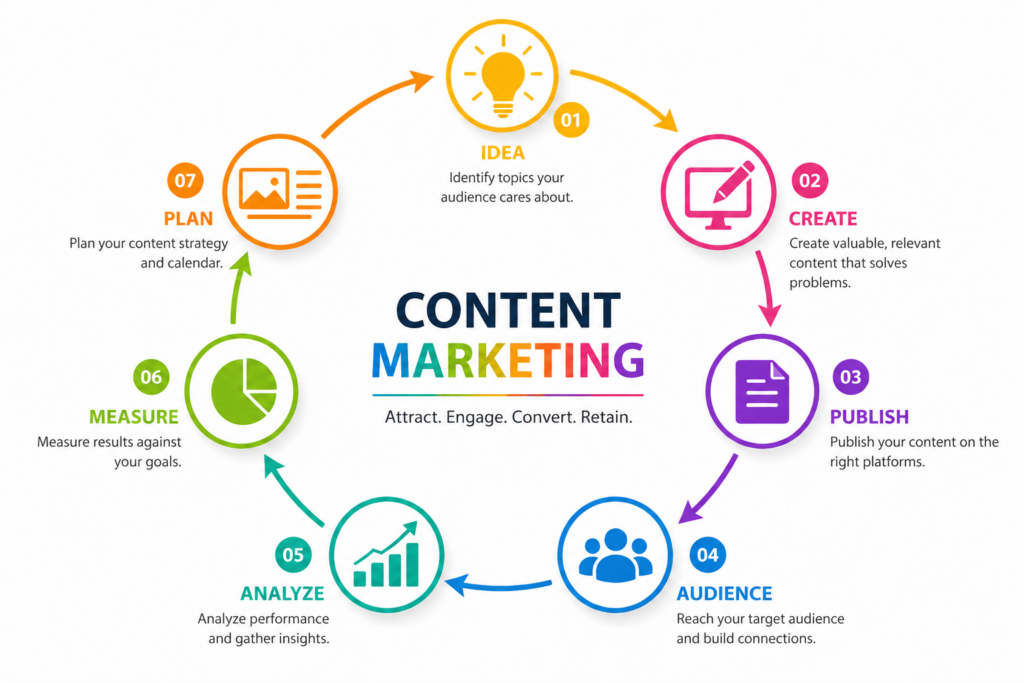
Introduction: Why Content Matters More Than Ads People don’t like being sold to—but they love discovering helpful information. This shift in behavior is why content marketing has become one of the most powerful ways to grow a brand. Instead of pushing products, you attract people by giving them value first. What is Content Marketing in Simple Terms Content marketing is the strategy of creating and sharing useful, relevant content to attract and engage your audience—without directly forcing a sale. It’s not about “buy now.”It’s about “learn, trust, then choose.” Why Content Marketing Works So Well Unlike traditional marketing, content marketing builds a relationship over time. Here’s why it’s effective: It educates your audience It builds trust naturally It keeps your brand in people’s minds It supports long-term growth instead of short-term spikes When people trust you, they choose you. Types of Content You Can Create 1. Blog Posts Blogs help answer questions and bring traffic from search engines. 2. Social Media Content Short-form content that grabs attention and keeps your brand active. 3. Videos Highly engaging and easy to consume—great for explaining ideas quickly. 4. Infographics Perfect for simplifying complex information visually. 5. Email Newsletters Helps you stay connected with your audience regularly. Understanding Your Audience is the First Step Before creating content, you must know: Who your audience is What problems they face What kind of content they consume Content that doesn’t connect with the audience is just noise. The Rule of Value: Give More Than You Take Good content marketing follows one simple rule:Provide value without expecting immediate returns. Your content should: Solve a problem Answer a question Teach something useful Inspire or guide If your content helps, people remember you. Consistency Builds Recognition Posting once in a while won’t work. Content marketing needs consistency. Consistency helps: Build brand identity Keep your audience engaged Improve visibility over time Even simple content, posted regularly, can outperform perfect content posted rarely. Storytelling: The Secret Ingredient Facts inform, but stories connect. Instead of just sharing information: Share experiences Use real-life examples Make your content relatable People remember stories more than data. Common Mistakes to Avoid Some common errors that reduce effectiveness: Creating content without a clear purpose Focusing only on selling Ignoring audience needs Copying trends without strategy Inconsistent posting Avoiding these can make a big difference. How to Know if Your Content is Working You don’t need complicated tools to start. Look at: Engagement (likes, comments, shares) Website traffic Time spent on content Audience feedback If people interact, your content is working. Conclusion: Content is a Long-Term Asset Content marketing is not about quick results. It’s about building something that grows over time. Each piece of content adds value to your brand. The more helpful you are, the stronger your connection with your audience becomes.

SEO

What is SEO? A Complete Guide for Beginners .

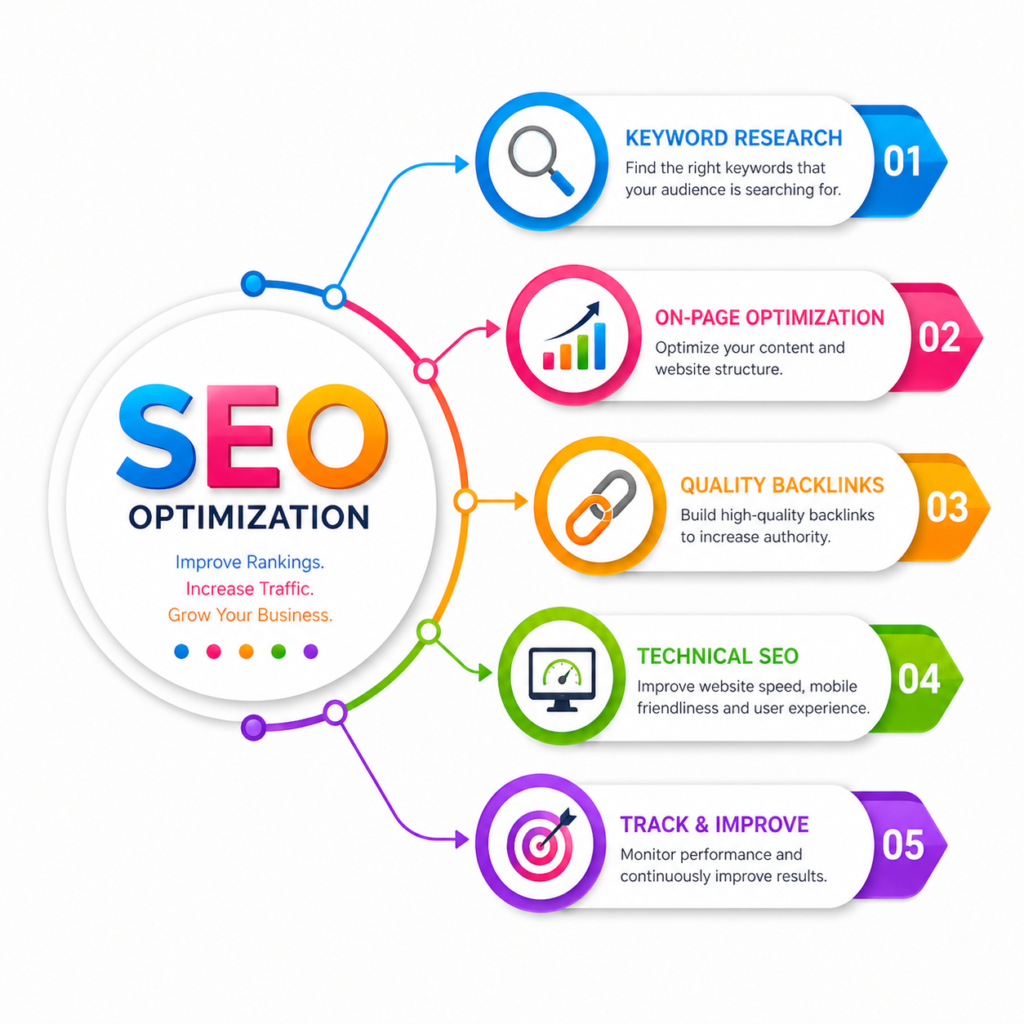
Introduction: Visibility is the Real Currency Most websites fail not because they are bad, but because they are invisible. SEO is no longer just about ranking—it’s about being discoverable at the exact moment your audience needs you. SEO is Not Just Keywords Anymore Earlier, SEO was all about adding keywords again and again. Today, search engines understand intent, context, and user behavior. Now SEO focuses on: What users are really searching for How useful your content is How long people stay on your page If your content solves a problem, it ranks. Search Intent: The Real Game Changer Instead of asking “Which keyword should I use?”, ask:“Why is the user searching this?” There are 4 main types of search intent: Informational – Learning something Navigational – Looking for a specific site Transactional – Ready to buy Commercial – Comparing options Your content should match the intent, not just the keyword. Content Depth Beats Content Length Writing long blogs doesn’t guarantee ranking. What matters is depth and clarity. A strong SEO content piece: Answers specific questions Uses simple and clear language Avoids unnecessary fluff Provides real value Think: “Did I actually help the reader?” User Experience is the New Ranking Factor Search engines track how users interact with your site. Important UX signals: Fast loading speed Mobile-friendly design Easy navigation Clean layout If users leave quickly, your ranking drops. Authority is Built, Not Claimed You can’t just say “we are the best.” Search engines need proof. Ways to build authority: Get backlinks from trusted websites Publish consistent content Share real insights, not copied ideas Show expertise in a specific niche The Role of Consistency in SEO SEO is not a one-time task. It’s a long-term process. Consistency means: Posting regularly Updating old content Improving existing pages Tracking performance Small improvements over time bring big results. SEO Mistakes That Still Hurt in 2026 Some mistakes people still make: Writing for search engines, not humans Copy-pasting content Ignoring user intent Over-optimizing keywords Not analyzing results These can quietly destroy your growth. What Actually Works Today If you want real results, focus on: Helpful and original content Clear structure and readability Solving real problems Building trust with your audience SEO is now more human than technical. Conclusion: Think Like a User, Not an Algorithm The best SEO strategy is simple:Understand your audience better than your competitors. When your content genuinely helps people, rankings follow naturally.

Scroll to Top